

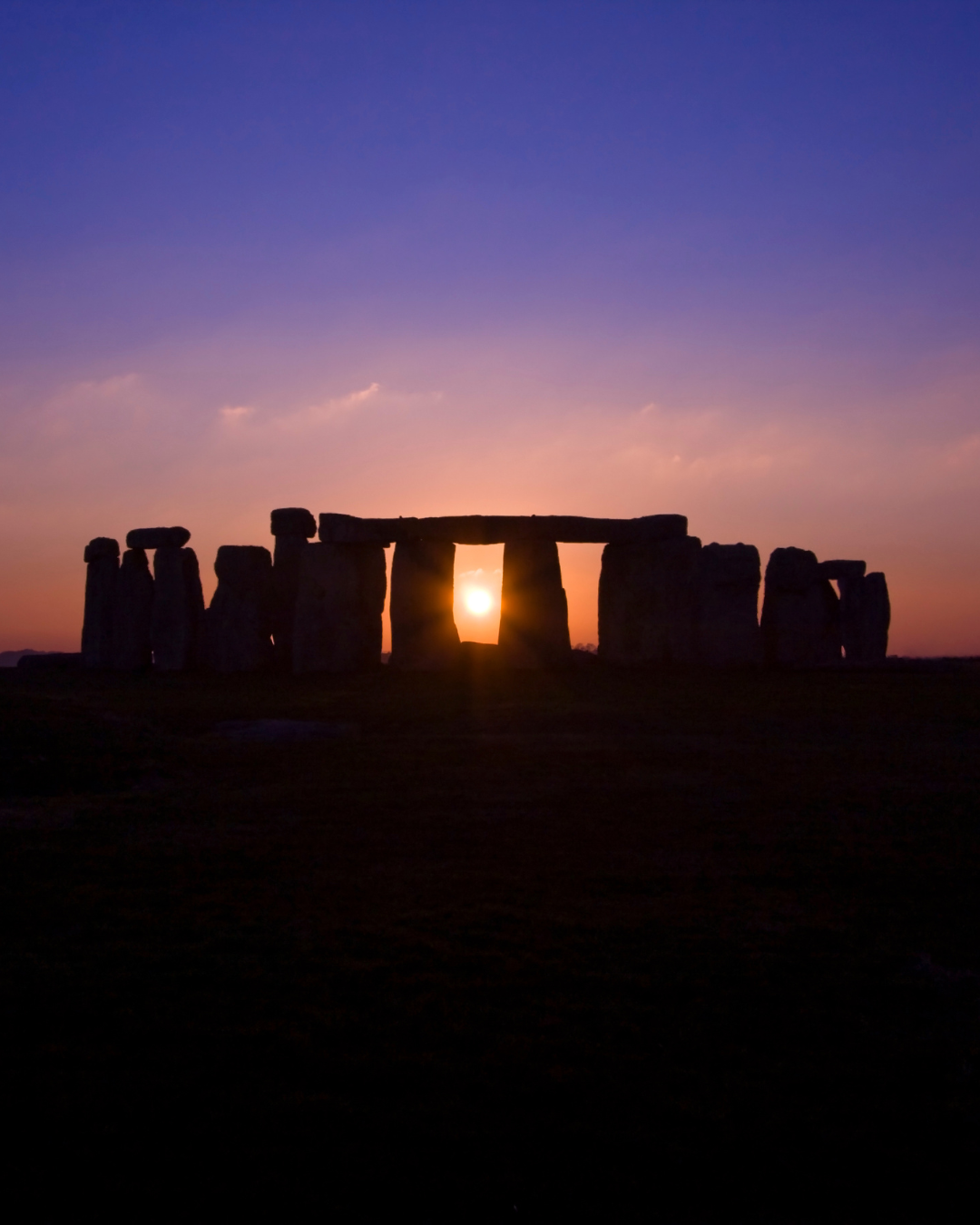
Lughnasadh, pronounced u201cLOO-nah-sah,u201d derives its name from the Celtic sun god Lugh, who was associated with light, craftsmanship, and the harvest. The festival is a celebration of the bounty of the earth and the agricultural achievements of our ancestors. It symbolizes gratitude for the abundance provided by the land and marks the beginning of the harvest season.
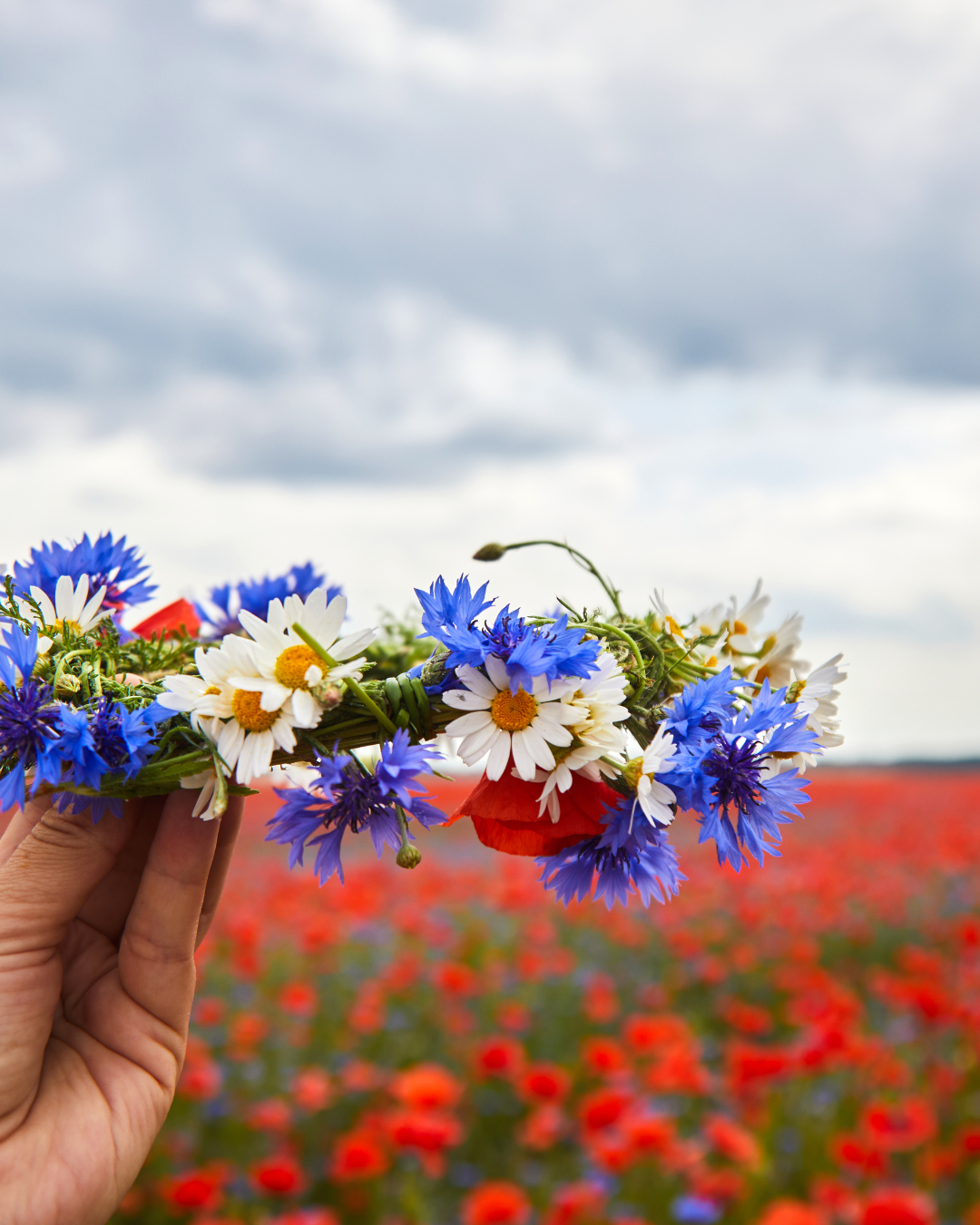
Ancient rituals during Litha revolved around sacred fires, symbolizing purification, and renewal. Bonfires were kindled to honor the sun’s radiance, invoking blessings for the season ahead. Couples leaped over flames, seeking to strengthen their bond and invite prosperity into their lives. Floral wreaths were crafted, adorning homes and altars as symbols of beauty and abundance. The air was filled with the scent of meadowsweet and willow, invoking a sense of enchantment and wonder.
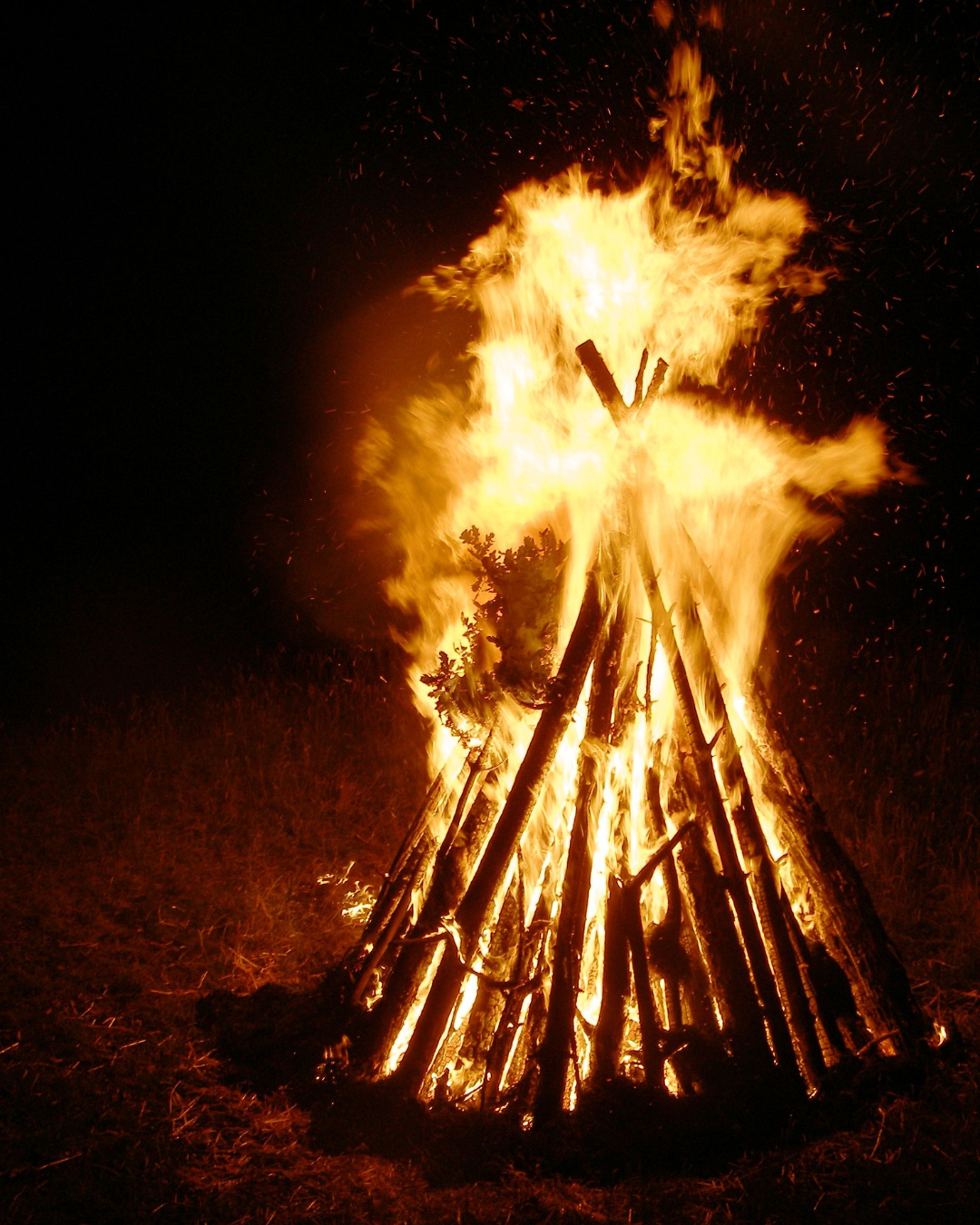
Today, Litha is commemorated with a blend of ancient customs and modern interpretations. Festivals and gatherings take place, celebrating the vibrancy of the season and fostering a sense of community. Individuals engage in rituals of gratitude and reflection, embracing the transformative energy of the solstice and honoring the interconnectedness of all beings.

. Gather with loved ones for a bonfire celebration, sharing stories and laughter beneath the starlit sky.
. Create floral wreaths or garlands using seasonal blooms, honoring the beauty of nature’s bounty and invoking a sense of enchantment.
. Meditate or perform yoga outdoors, basking in the warmth of the sun and grounding energy of the Earth, fostering a deep sense of connection to the natural world.
. Offer gratitude for abundance by preparing a feast using locally sourced, seasonal ingredients, honoring the cycle of growth and harvest.
. Craft intention candles infused with herbs and oils, igniting them as symbols of transformation and empowerment, and setting intentions for the season ahead.

Leave a Reply